

In today’s world, imperial power isn’t just about vast armies crossing borders or fleets hoisting a nation’s flag over foreign lands. While military might remains a critical component of influence, contemporary empires are more subtle, yet just as potent. Modern global powers — from the U.S. and China to Russia and France — are redrawing borders and reshaping alliances not just through direct confrontation, but also through economic deals, strategic investments, and carefully engineered political unrest.
1. Debt Trap Diplomacy: A New Kind of Colonialism?
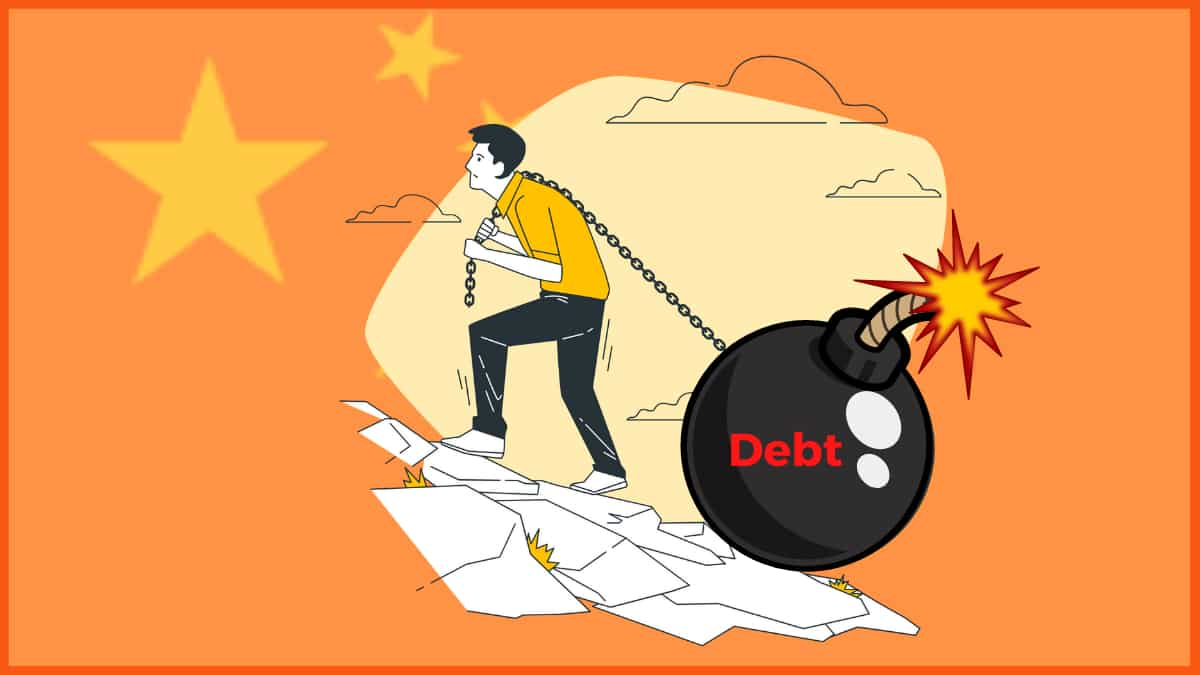
One of the most insidious modern imperial strategies is debt trap diplomacy — a calculated approach to use economic leverage for political gain. China, through its Belt and Road Initiative (BRI), has invested heavily in countries across Asia, Africa, and Latin America. The BRI ostensibly offers loans for infrastructure, promising economic development. However, these loans often come with high-interest rates and terms that many poorer nations struggle to meet. When countries default, China gains control of strategic assets, like ports, railways, and highways. Sri Lanka’s Hambantota Port is a striking example: when Sri Lanka couldn’t repay its loan, China gained a 99-year lease on the port — a move that some liken to a modern form of colonial control.
Other powers, such as Russia in Eastern Europe and Central Asia, deploy a similar tactic, offering loans and resources that bind neighboring countries into a dependency network that can, in turn, destabilize Western-aligned countries. Debt can become a geopolitical noose, fostering influence over domestic policies, voting behavior in international organizations, and even military cooperation.
2. Military Bases and Strategic Ports: Securing the Choke Points
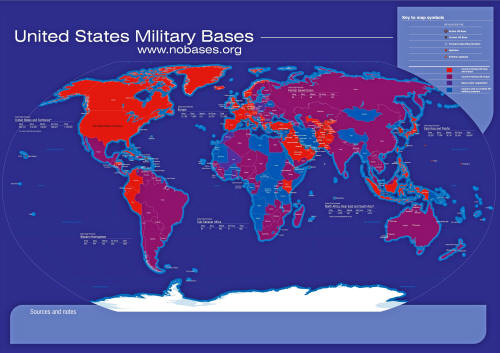
Around the globe, the race for military bases and strategic ports intensifies. For centuries, controlling choke points like the Suez Canal, the Strait of Malacca, and the Strait of Hormuz has been paramount in geopolitics. Today, the U.S. has hundreds of military installations in over 70 countries, securing not only vital trade routes but also a near-constant presence in global hotspots.
China’s recent development of ports and military installations in Djibouti and the South China Sea underscores this trend. By constructing artificial islands with military installations in disputed waters, China effectively asserts control over one of the world’s busiest shipping lanes. These bases serve dual purposes: they reinforce claims over contested territories, like those in the South China Sea, and allow rapid deployment of military assets, making any confrontation with China a high-stakes gamble for regional powers like the Philippines, Vietnam, and Indonesia.
3. Political Coups and Proxy Warfare: Influencing Through Insurgency

When direct action isn’t viable, global powers often turn to proxy warfare — indirectly shaping regimes through political coups, funded uprisings, and covert support for rebel groups. Russia’s role in Ukraine, where it backs separatist groups, is a prime example. By supporting local uprisings in regions like Crimea and the Donbas, Russia has shifted the region’s geopolitics while officially maintaining plausible deniability.
The United States has a long history of supporting coups and uprisings in Latin America, often under the guise of supporting democracy or combating communism. Such interventions are designed not just to replace hostile regimes but also to prevent rivals, like China and Russia, from gaining influence in the Western Hemisphere.
4. Economic Colonization and Forced Migration
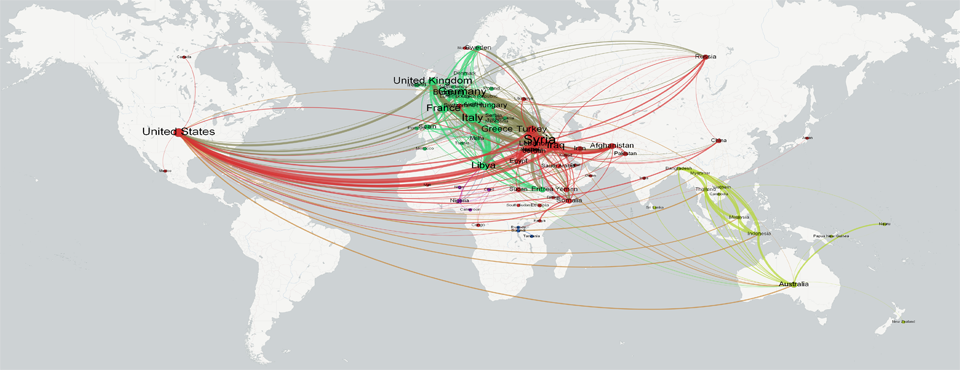
Economic colonization today extends beyond simple investment; it transforms societies through trade deals, infrastructure projects, and economic zones that entrench the influence of foreign corporations and governments. Special economic zones in Africa and Latin America, often controlled or heavily influenced by China or the U.S., provide jobs but keep economies tied to external demands. These initiatives may spur growth, but critics argue they erode local autonomy and create economies reliant on foreign capital and markets.
Forced migration is another byproduct of modern empire-building. For example, China’s Belt and Road Initiative has often brought waves of Chinese labor to project sites in Africa and Southeast Asia, which can lead to social tensions and cultural displacement. Meanwhile, Russia’s policies in Ukraine have displaced millions, and forced migrations within Syria and other conflict zones frequently align with strategic geopolitical interests, such as altering demographic balance or using refugee flows to destabilize neighboring regions.
5. Border Disputes and Territorial Aggression
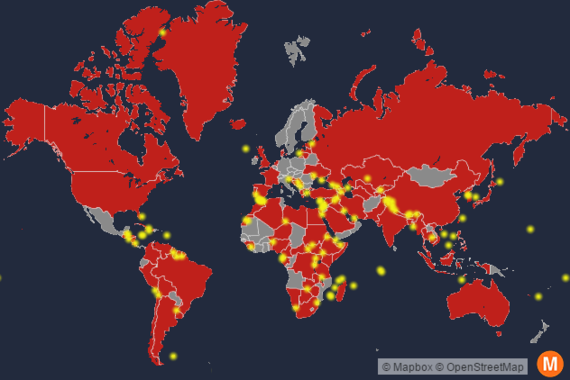
Modern empire-building isn’t just about influence; it can be a direct territorial claim. China’s claims over the South China Sea, backed by its construction of artificial islands, has been a flashpoint for potential conflict with Southeast Asian nations and the United States. The Line of Actual Control (LAC) between China and India is another source of conflict, with border skirmishes escalating tensions and reflecting China’s efforts to assert dominance over contested regions.
Russia’s annexation of Crimea and its military presence in Georgia are similarly aggressive moves that demonstrate how modern empires are not afraid to redraw maps. Such actions often leverage historical claims to justify present-day territorial ambitions, with modern leaders invoking nationalism to support these expansions.
6. Trade Wars, Tariffs, and Economic Coercion
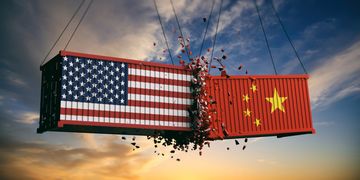
Trade is often touted as a path to peace, but it can also be a tool for empire. The U.S. and China have each used tariffs, sanctions, and trade restrictions to weaken or influence rivals. The U.S. uses sanctions as a powerful economic weapon, restricting access to American markets and financial systems, which can debilitate an economy overnight. Iran and Venezuela serve as prime examples, with both countries suffering significant economic setbacks due to sanctions.
China has also used its economic clout to penalize countries that defy its policies. When Australia called for an independent inquiry into the origins of COVID-19, China responded with heavy tariffs on Australian goods, effectively weaponizing trade to stifle dissent. These economic skirmishes signal a new era of economic warfare where nations use markets as battlefields to exert influence without engaging in direct conflict.
7. Intelligence and Cyber Warfare: The Covert Frontier
Modern empires are also built on the covert collection and manipulation of information. The U.S., Russia, and China invest heavily in cyber capabilities, using them to gather intelligence, influence public opinion, and interfere in elections worldwide. In recent years, Russian cyberattacks and disinformation campaigns have stirred controversy and destabilized democratic processes in Europe and the U.S.
China, too, has established a formidable cyber apparatus, used both to steal intellectual property and to surveil and influence its own population through the Great Firewall. As technology advances, so too does the scope of cyber warfare, with AI and quantum computing promising new ways to spy, sabotage, and even paralyze critical infrastructure remotely.
Conclusion: The Shadow of Empire
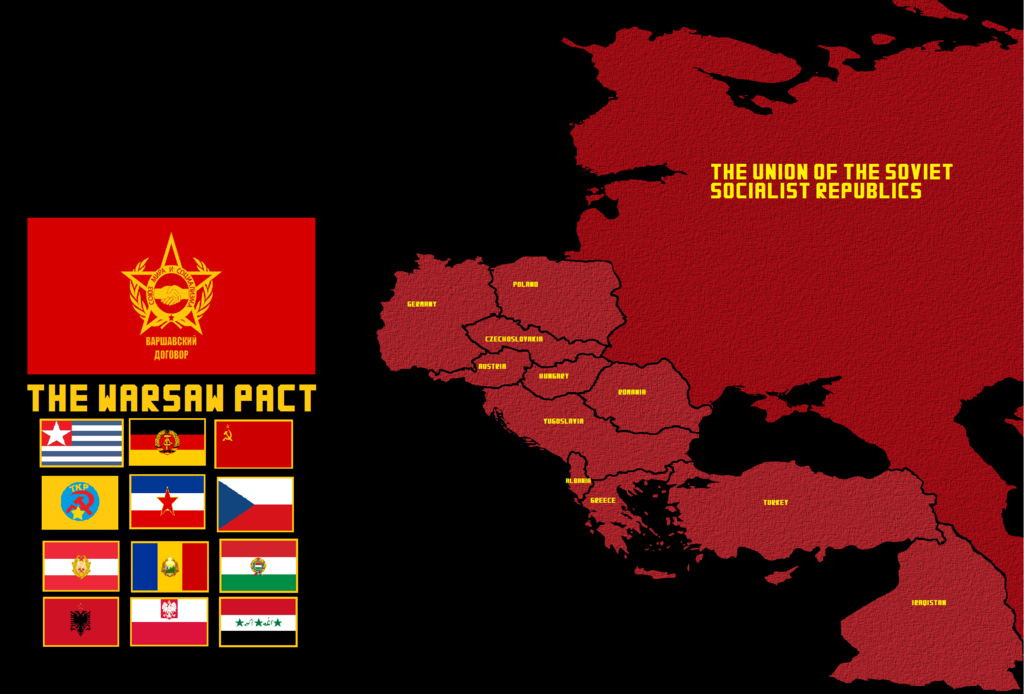
Modern empires are built on a complex web of military power, economic control, political influence, and technological advantage. They’re no longer just about occupying territory; they involve controlling information, shaping economies, and manipulating borders without necessarily crossing them. As countries vie for global dominance, these methods increasingly blur the line between war and peace, sovereignty and dependency.
This reimagining of empire-building has profound implications. It raises the specter of conflict in strategically sensitive areas like the South China Sea, Eastern Europe, and even outer space. With traditional power structures shifting and the playbook for dominance evolving, the potential for an unintended crisis — an economic collapse, a cyberattack, or an arms race — grows. Whether through silent influence or overt aggression, modern empires are shaping a global landscape where control and confrontation coexist, setting the stage for either a delicate balance or a new era of conflict.
 Threedux Today
Leave a comment