
The modern French Empire—often referred to as La Françafrique—represents France’s enduring influence over its former colonies, particularly in Africa and other parts of the Francophonie. While France no longer possesses a formal empire, its relationships with former colonies are marked by complex interdependencies, cultural ties, and sometimes controversial interventions. France’s role in these regions remains a topic of significant debate, with France balancing its historic connections, economic interests, security concerns, and the aspirations of former colonies seeking greater sovereignty.
Background: The Legacy of French Colonialism
1. La Françafrique
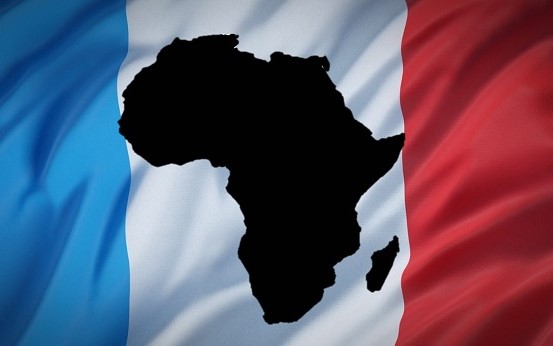
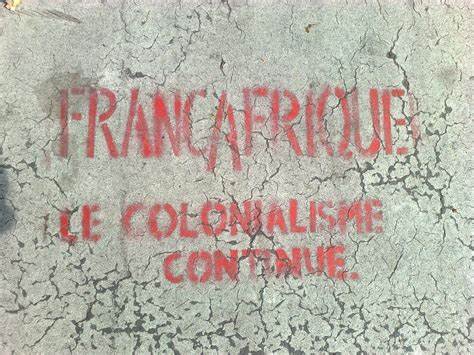
The term “La Françafrique,” coined by Ivorian President Félix Houphouët-Boigny in the 1950s, originally referred to the close political, economic, and military ties between France and its former African colonies. Over time, however, the term became associated with France’s neocolonial practices—wherein France continued to exert influence over African affairs, often through economic dependencies, political alliances, and military presence.
2. Economic Dependence and the CFA Franc
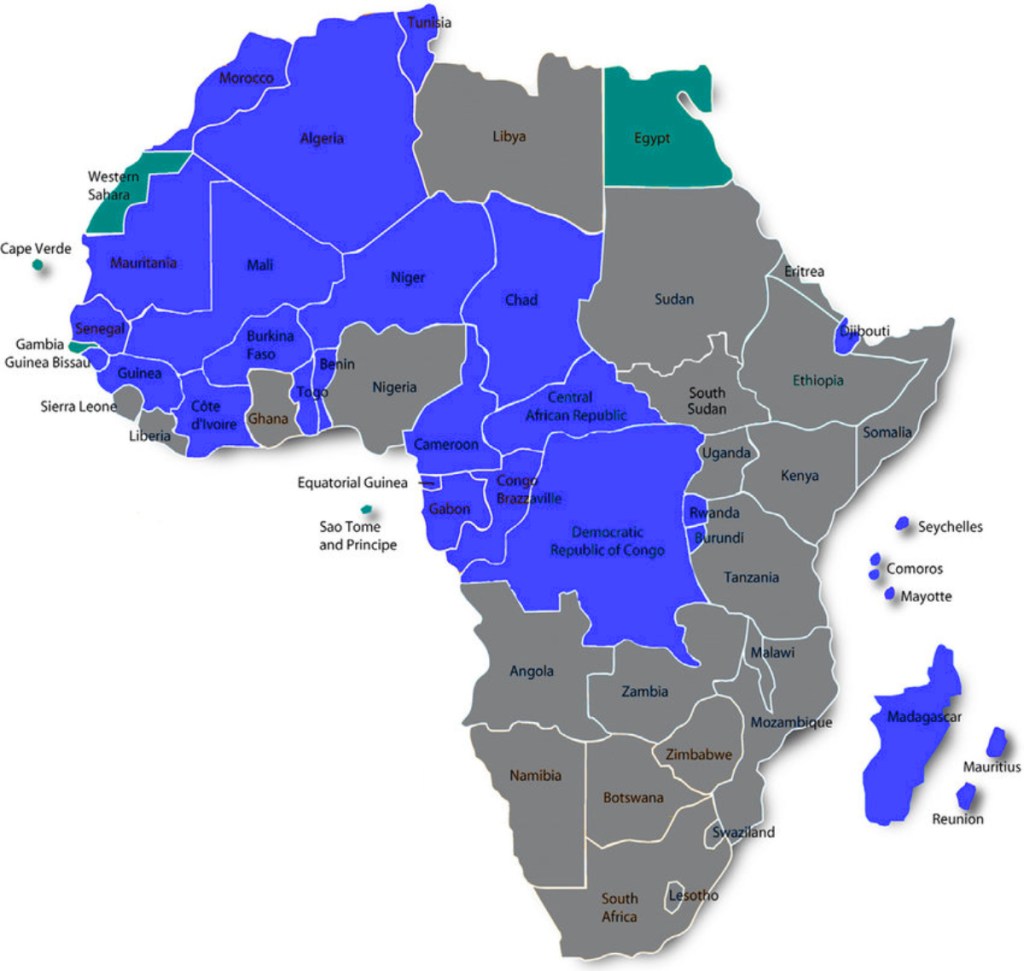
One of the most enduring symbols of La Françafrique is the CFA Franc, a currency established in 1945 and used by 14 African countries. While the currency provides stability and easy access to international markets, critics argue that it perpetuates economic dependence on France and limits the fiscal sovereignty of African nations. Reforms to the CFA franc are ongoing, reflecting a gradual shift but also the difficulties of moving away from French financial influence.
3. Military Presence and Security Cooperation
France maintains a significant military presence in Africa, with bases in Djibouti, Gabon, Côte d’Ivoire, and Senegal. French forces are often involved in peacekeeping, counterterrorism, and crisis response operations. France’s Operation Barkhane in the Sahel (2014–2022), for example, targeted Islamist militants in Mali, Niger, Chad, and Burkina Faso. However, France’s military role is increasingly questioned by local populations and governments, many of whom see it as a form of ongoing intervention.
Relations with Current and Former Colonies: Key Regions
1. West and Central Africa
Economic Ties and Influence
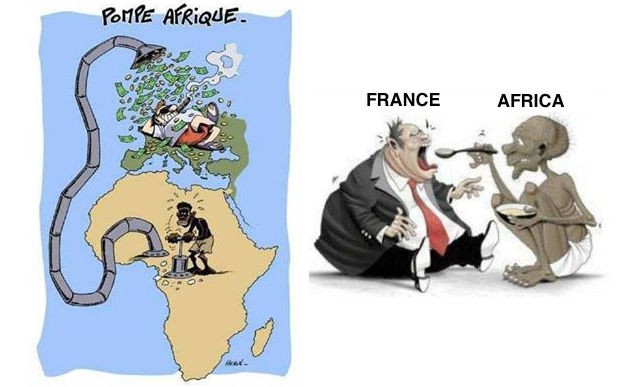
France remains deeply embedded in the economies of many West and Central African countries through investments in oil, minerals, telecommunications, and infrastructure. French companies like TotalEnergies, Orange, and Bolloré have substantial holdings in Africa, securing access to resources but also fostering dependence on French capital and expertise.
Security Operations and Rising Tensions
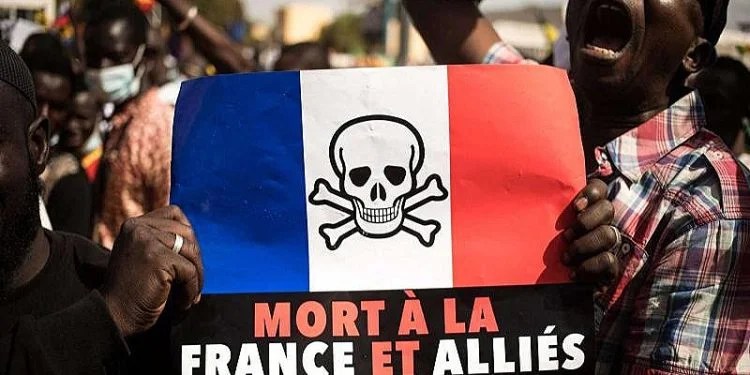
France has engaged heavily in West Africa’s security landscape, often positioning itself as a protector of stability. However, in recent years, French interventions have become increasingly controversial. In Mali, popular protests and anti-French sentiment culminated in 2022, leading to the end of France’s Operation Barkhane. Mali’s government turned to Russian mercenaries from the Wagner Group for security assistance, symbolizing a shift away from French dependence and a growing desire for autonomy.
Political Tensions and Anti-Neocolonial Sentiment
In countries like Burkina Faso, Niger, and Côte d’Ivoire, there has been a rise in anti-French sentiment, driven by frustration with economic stagnation, political corruption, and perceptions of neocolonialism. Younger generations are increasingly critical of French influence, demanding more equitable partnerships or even outright disengagement from France.
2. North Africa
Algeria: The Complex Legacy of Colonialism
Algeria’s relationship with France is marked by the legacy of a brutal colonization and a bloody war of independence (1954–1962). While France remains Algeria’s largest trade partner and hosts a significant Algerian diaspora, relations are often strained by unresolved historical grievances. President Emmanuel Macron has acknowledged colonial atrocities but has stopped short of issuing an official apology, causing friction between the two nations. Economic and cultural exchanges continue, but mutual distrust over migration, history, and security remains high.
Morocco and Tunisia: Stronger Diplomatic and Economic Ties
Morocco and Tunisia have maintained relatively stable ties with France since gaining independence in the 1950s. France remains a primary trading partner and a key source of investment and tourism for both nations. While both countries value their independence, they often engage with France diplomatically, especially in matters of counterterrorism, migration, and development. However, domestic movements advocating for greater economic diversification and less dependence on France are gaining traction.
3. The Pacific and Caribbean Territories
French Overseas Territories
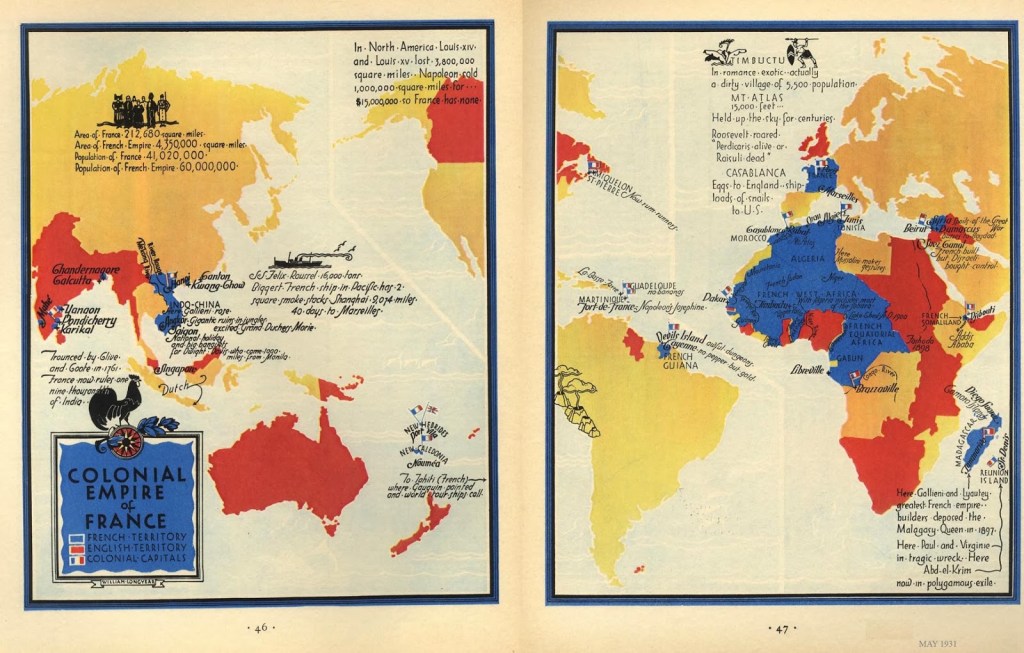
France still administers several territories in the Caribbean (Guadeloupe, Martinique), Pacific (New Caledonia, French Polynesia), and Indian Ocean (Réunion, Mayotte). These territories, considered parts of France, receive French investment, social services, and infrastructure support. However, they are also heavily reliant on subsidies, and their political status has become a source of local debate. Movements for greater autonomy or independence, especially in New Caledonia and French Polynesia, have grown as residents question the benefits and limitations of French rule.
Independence Movements and Referenda
New Caledonia held referenda on independence in 2018, 2020, and 2021, with independence ultimately rejected but with substantial support in favor of greater autonomy. The outcome highlighted a division between pro- and anti-independence sentiments, with France emphasizing its commitment to economic stability and development but facing increasing pressure to recognize indigenous self-governance and sovereignty.
Challenges and Criticisms of the Modern French Empire
1. Accusations of Neocolonialism and Economic Exploitation
France’s influence in former colonies is often criticized as a form of neocolonialism, with critics pointing to the CFA franc, French corporate dominance, and military presence as mechanisms of control. French interests in African resources, combined with large investments in sectors like telecommunications and infrastructure, have fueled accusations that France benefits disproportionately at the expense of African nations’ economic sovereignty.
2. Military Interventionism and Popular Backlash
France’s military involvement, especially in the Sahel, has sparked resentment among local populations who see it as an extension of colonial-era domination. The rise of anti-French protests and the appeal of alternative alliances (such as those with Russia) underscore a growing regional shift away from reliance on France. While France justifies its presence as part of counterterrorism efforts, many Africans see these interventions as infringing on their national sovereignty.
3. The Migration Dilemma
France’s former colonies are also central to debates over immigration, with many former subjects or their descendants seeking opportunities in France. The French government faces domestic pressures to control immigration from African and North African countries, straining diplomatic relations. This challenge is exacerbated by issues such as racial tensions, integration policies, and economic disparities, with migration remaining a sensitive issue in France’s domestic and foreign policy.
4. Efforts for Change and Reforms in Relations
In recent years, France has attempted to shift its relationships with former colonies by fostering more equal partnerships, promoting economic cooperation, and supporting African-led initiatives. Initiatives like Macron’s 2021 Africa-France Summit sought to engage with African youth and civil society, and recent discussions around reforming the CFA franc highlight a slow but deliberate pivot toward respecting African autonomy. Yet, the effectiveness of these efforts remains under scrutiny, as deep-rooted economic and political structures maintain France’s dominant influence.
Conclusion
The modern French Empire, while no longer a formal empire, remains influential through economic, military, and cultural ties with its former colonies, particularly in Africa. The legacy of French colonialism continues to shape these relationships, with France navigating a delicate balance between maintaining influence and respecting the sovereignty and aspirations of former colonies.
In the face of rising nationalism, anti-colonial sentiment, and geopolitical shifts, France’s future role in Africa and other parts of the Francophonie will likely be determined by its ability to adapt to a multipolar world and forge partnerships based on mutual respect and equity. The evolving nature of La Françafrique reflects both the challenges and opportunities of transitioning from a colonial legacy to a new era of cooperation—if France can genuinely embrace a more equal footing with its former territories.
 Threedux Today
Leave a comment