
Modern Russia’s geopolitical ambitions and foreign policies under Vladimir Putin reflect a complex blend of Soviet nostalgia, strategic territorial influence, and economic-political leverage in regions historically connected to Soviet influence. While Russia lacks the capacity to fully “reform” the Soviet Union, it has pursued a strategy to reassert power in the former Soviet and Warsaw Pact countries and extend influence across Asia, Africa, the Middle East, and Latin America through financial and military aid, resource investments, and alliances with like-minded regimes.
1. Reasserting Influence Over Former Soviet and Warsaw Pact States
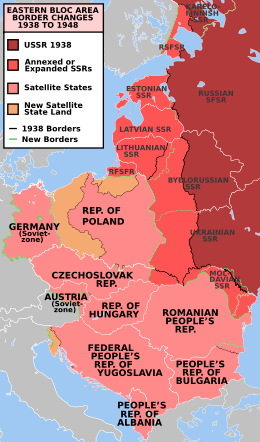
- Annexation of Crimea and Proxy Wars: Russia’s 2014 annexation of Crimea was a clear sign of its intent to reclaim influence over former Soviet territories. Putin leveraged the presence of ethnic Russians and Russian-speaking populations as justification for intervention, framing the move as “protection” against Western encroachment. This tactic resurfaced in Eastern Ukraine in 2022, with Russia supporting separatist movements and ultimately launching a full-scale invasion, an escalation that demonstrates Moscow’s readiness to use military force to prevent former Soviet states from moving closer to the West.
- Influence in Belarus and Central Asia: Russia has maintained Belarus as a close ally, with Moscow and Minsk having a so-called “Union State” agreement that deepens political, economic, and military integration. In Kazakhstan and other Central Asian states, Russia projects power through the Collective Security Treaty Organization (CSTO), a military alliance reminiscent of the Warsaw Pact. In January 2022, for instance, CSTO troops were deployed to support the Kazakh government during protests, underscoring Russia’s role as a regional “protector” and stabilizing force in former Soviet territories.
- “Frozen Conflicts” as Leverage: Russia has supported “frozen conflicts” across the former Soviet sphere, including Abkhazia and South Ossetia in Georgia, Transnistria in Moldova, and Nagorno-Karabakh in the Caucasus. By backing separatist regions with economic aid and military presence, Moscow ensures these countries remain reliant on Russian support, preventing them from integrating into Western alliances like NATO or the EU.
2. Revitalizing Economic and Military Ties in Asia, Africa, the Middle East, and Latin America
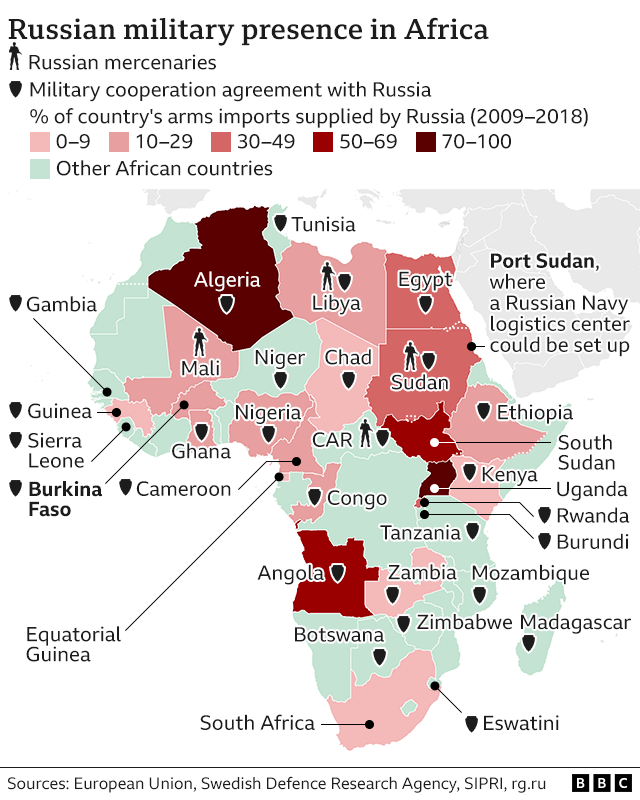
- Military and Financial Aid: Russia has invested heavily in providing military and financial aid to developing countries, emulating Soviet-era support for revolutionary and anti-Western regimes. In Syria, Russia’s intervention since 2015 in support of President Bashar al-Assad solidified its influence in the Middle East, securing naval and air bases and demonstrating Russia’s role as a protector of authoritarian regimes under threat. This model has been replicated to some degree in Libya and Sudan, where Russian contractors and military advisors support factions aligned with Moscow.
- Arms Exports as Diplomatic Tools: Russia is the world’s second-largest arms exporter, with major clients in India, Vietnam, China, Egypt, Algeria, and Angola, among others. Russian arms, especially in Africa and Latin America, come with few human rights restrictions, making them attractive to regimes wanting to bypass Western scrutiny. This arms trade extends Russia’s geopolitical reach, as seen in Venezuela, where Moscow has provided arms and technical assistance to bolster the government of Nicolas Maduro against U.S. pressure.
- Resource Diplomacy in Africa: Russia has been actively pursuing mining and energy projects across Africa, notably in Sudan, Mozambique, and the Central African Republic (CAR). Russian private military companies (PMCs), including the Wagner Group, are engaged in African countries to provide security services in exchange for resource concessions. In the CAR, Wagner provides direct military support to the government, while Russia secures access to lucrative mining concessions, a method of power projection that resembles colonial-era practices.
3. Energy Diplomacy and Economic Influence
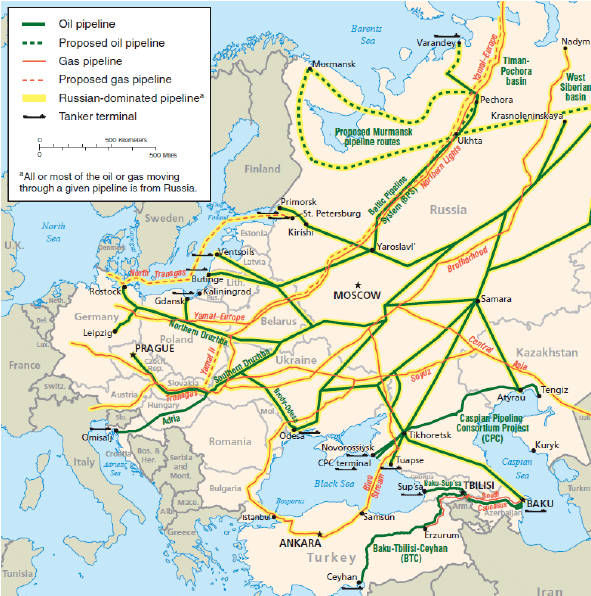
- Dependence on Russian Gas in Europe: Russia has used its vast natural gas reserves as leverage over Eastern European countries and Western Europe. Gazprom’s supply of natural gas provides Russia with direct influence over Europe’s energy security, particularly in winter. Nord Stream 2, although halted, was intended to deepen Germany and Europe’s dependence on Russian gas, complicating their stance toward Russian actions in Ukraine.
- Expansion into Asian Markets: With rising tensions with the West, Russia has increasingly turned to China and India as alternative markets for its oil and gas exports. The Power of Siberia pipeline and other projects underscore Moscow’s pivot to Asia. China, in particular, has become a strategic ally, with Moscow and Beijing cooperating on defense, technology, and energy to counterbalance U.S. influence in the region.
4. Countering Western Influence and Expanding Soft Power
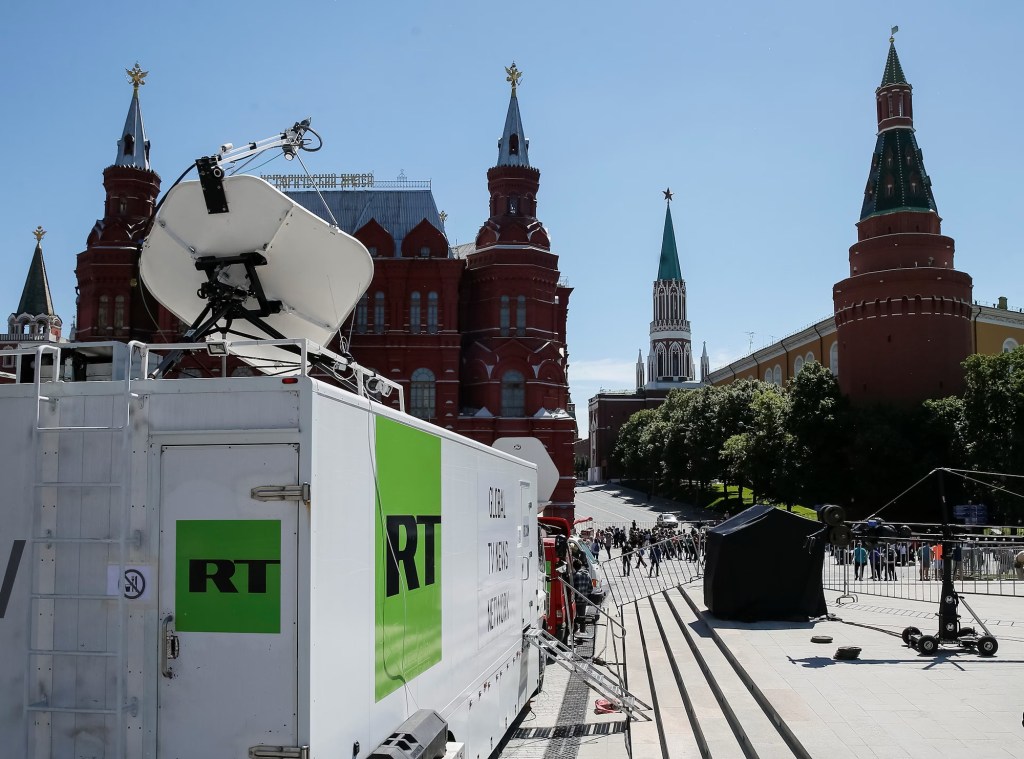
- Disinformation Campaigns and Media Influence: Russia utilizes RT (Russia Today), Sputnik News, and social media to disseminate its narratives globally, often targeting Western democracies with disinformation campaigns to sow discord and amplify divisive issues. In regions like Africa and Latin America, Russian media plays on anti-colonial sentiment and frames Russia as an alternative to U.S. and European influence.
- Soft Power in Education and Diplomacy: Russia has expanded its presence in African and Latin American countries through cultural exchanges, scholarships, and diplomatic outreach. For example, thousands of African students attend Russian universities on scholarships, creating a new generation of leaders with connections to Moscow. This soft power strategy seeks to rekindle the influence the Soviet Union once held with anti-imperialist and revolutionary ideologies.
- Cyber and Hybrid Warfare: In line with its unconventional methods, Russia employs cyber warfare and information operations to destabilize adversaries and influence public opinion in targeted countries. This hybrid approach is evident in Russia’s alleged meddling in Western elections and ongoing cyber campaigns targeting Eastern European states, seeking to undermine Western cohesion and security structures.
Conclusion
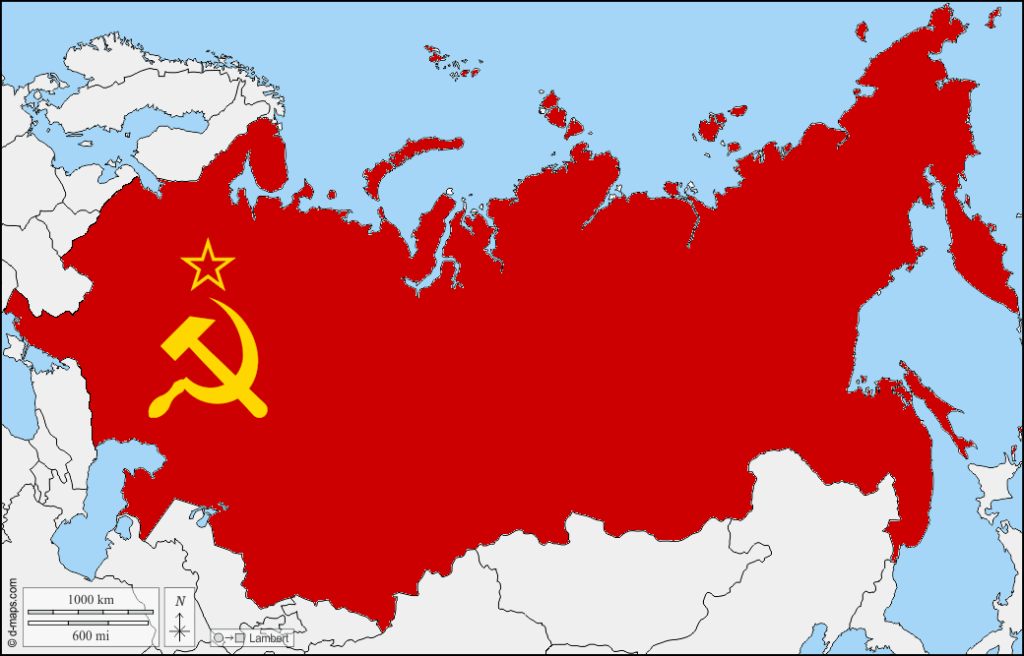
While modern Russia lacks the economic and military resources of the Soviet Union, it has employed a multifaceted strategy to reclaim influence and reassert power, particularly in the post-Soviet states and regions historically within its orbit. Through a combination of military intervention, economic incentives, arms sales, energy leverage, and ideological campaigns, Russia aims to counterbalance Western influence and position itself as a global power broker.
This neo-imperial approach stops short of full-scale territorial expansion but nonetheless seeks to recreate aspects of Soviet-era influence through modern means. With an emphasis on hybrid warfare, regional alliances, and strategic partnerships across Asia, Africa, the Middle East, and Latin America, Russia has adapted to the limitations of the 21st century, positioning itself as a formidable, if constrained, counterbalance to Western power on the global stage.
 Threedux Today
Leave a comment