
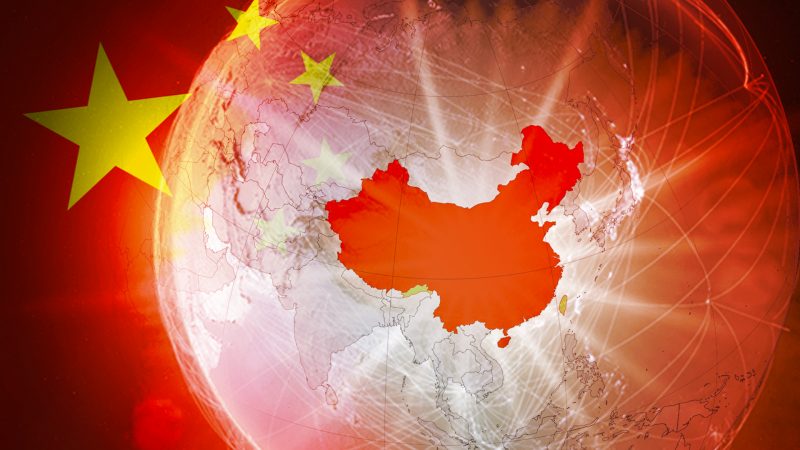
The concept of a “modern Chinese empire” is complex, blending China’s economic, political, and military power with a nuanced historical and cultural understanding of empire. Rather than traditional colonialism, China’s global strategy is characterized by economic influence, strategic partnerships, and geopolitical maneuvering. Through initiatives like the Belt and Road Initiative (BRI), assertive stances on territorial claims, and growing involvement in multilateral organizations, China is positioning itself as a key player in global governance. This strategy is marked by both cooperative engagement and regional tensions, with China actively managing its relations with neighboring countries, historical border disputes, and countries previously within its imperial influence.
Economic and Political Influence: China’s Soft Power Strategy

1. The Belt and Road Initiative (BRI)
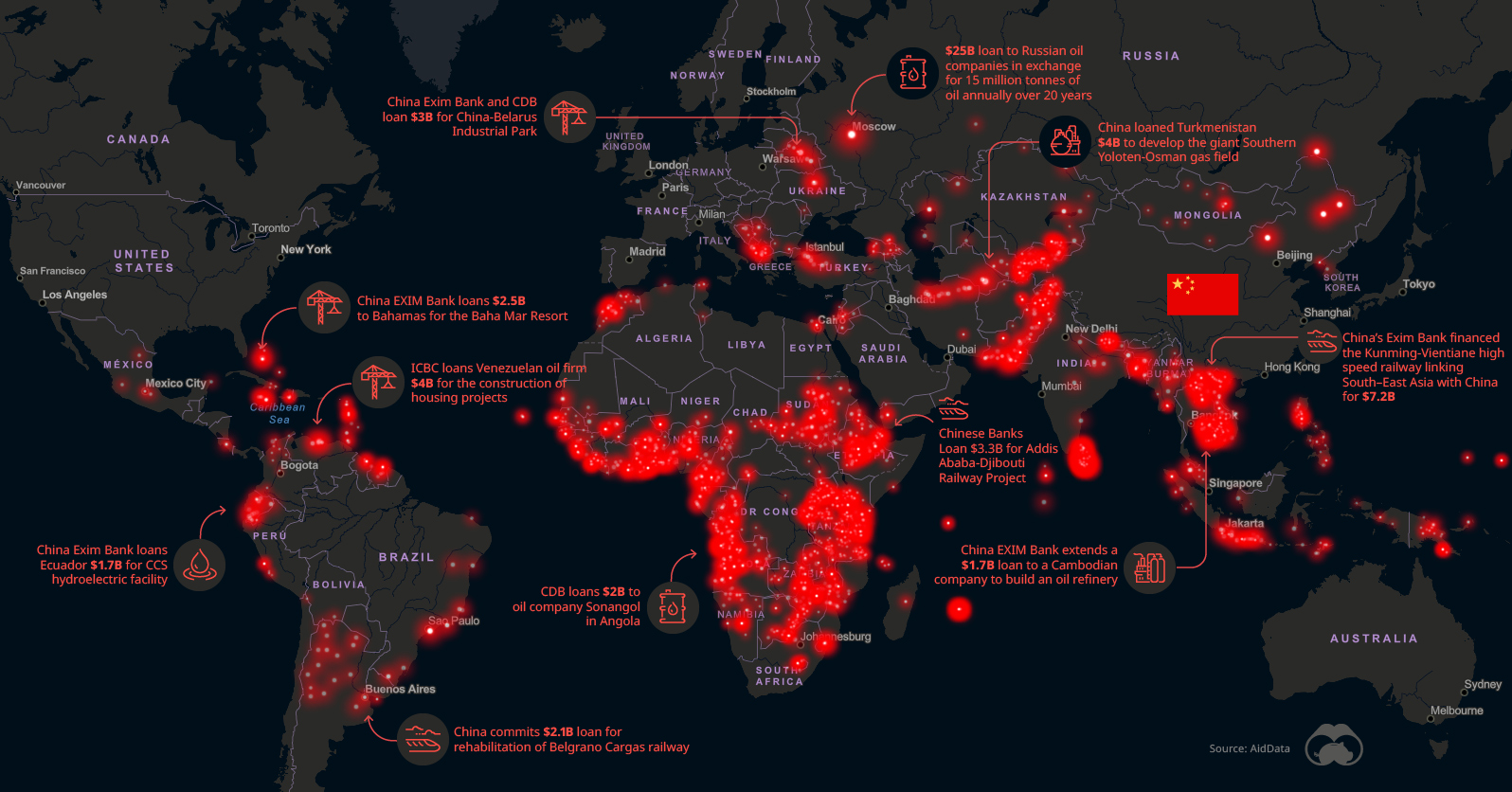
Launched in 2013, the BRI is a signature strategy of Chinese President Xi Jinping to extend China’s influence across Asia, Africa, Europe, and beyond. The BRI includes infrastructure projects, trade agreements, and development investments designed to boost connectivity and economic cooperation. From highways and railways in Central Asia to ports in Africa, the BRI is reshaping the economies and politics of participating countries, often referred to as a form of “debt-trap diplomacy.” While some see it as an opportunity for economic growth, others argue that it traps countries in debt dependency on China.
2. Asia and Africa: Strategic Partnerships and Economic Influence
In Africa, China has become the leading investor, providing loans for infrastructure development and funding construction projects that support economic growth. China’s extensive involvement in African economies has led to criticism, with opponents viewing it as a modern form of economic imperialism. However, African governments often see China as a partner who provides much-needed investment without imposing Western-style conditions related to governance or human rights.
In Southeast Asia, Latin America, and the Pacific Islands, Chinese investment and trade initiatives have also increased significantly, with projects extending influence through resource access, infrastructure, and bilateral agreements that deepen reliance on China’s economy.
3. Tech Diplomacy and the Export of Digital Infrastructure
In the digital realm, China is expanding its global reach through technology, particularly with companies like Huawei and ZTE. Chinese firms have provided telecommunications infrastructure and internet services in numerous countries, with an emphasis on Africa and Asia. Through this digital influence, China is also exporting its model of internet governance, which emphasizes state control and surveillance—a model that some governments find appealing. This digital expansion, however, has raised concerns about surveillance, cybersecurity, and the potential for Chinese espionage in host countries.
Historical Ties and Influence Over Former Tributary States
1. Southeast Asia: Reclaiming Historical Influence
Historically, Southeast Asia maintained tributary relationships with Chinese empires, a legacy that still influences China’s approach in the region today. Countries like Vietnam and Laos have longstanding historical ties with China, but also memories of conflict and occupation. Vietnam, for example, remembers its wars with Chinese dynasties and its more recent 1979 border conflict with China. Despite these tensions, Southeast Asian countries rely heavily on China for trade and investment, creating a delicate balance between economic dependency and sovereignty.
2. Central Asia: Rebuilding the Silk Road
Central Asia was once part of the ancient Silk Road and subject to Chinese influence through trade and tribute. Today, China’s BRI projects in countries like Kazakhstan, Kyrgyzstan, and Uzbekistan have revitalized those historical connections. These projects have increased Chinese influence in areas where Russia has traditionally held sway, sparking a subtle competition for influence between China and Russia. China has pursued energy projects, railways, and roads in Central Asia, all while projecting itself as a benign partner focused on development.
3. Taiwan: The Lingering Question of Reunification
China views Taiwan as a “breakaway province” rather than a former colony, although Taiwan operates as a separate, democratic state. China’s aspiration for reunification with Taiwan remains a core issue of Chinese nationalism and government policy. China has maintained a One-China Policy, pressuring countries and international organizations not to recognize Taiwan as a sovereign state. While Chinese leaders have emphasized a preference for peaceful reunification, the Chinese government has not ruled out military action, and tensions in the Taiwan Strait remain a flashpoint in U.S.-China relations.
Border Disputes and Territorial Claims
1. South China Sea: Expanding Maritime Influence
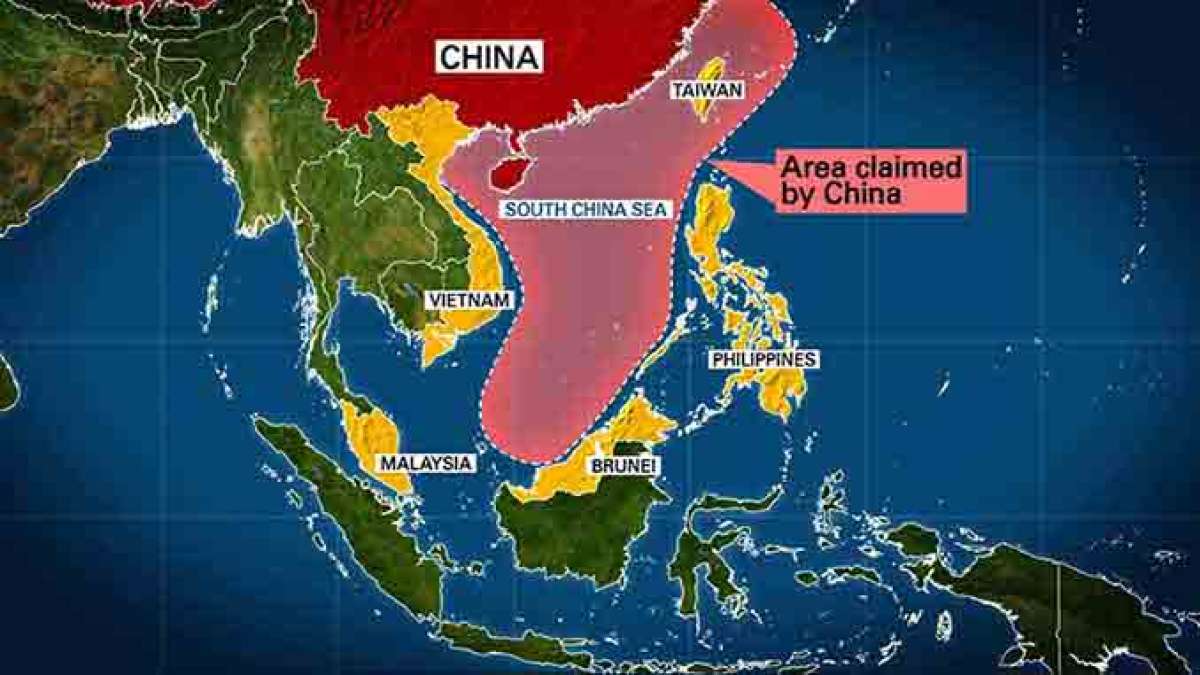
One of China’s most prominent territorial assertions is in the South China Sea, where it claims almost the entire sea under its “nine-dash line,” despite competing claims from Vietnam, the Philippines, Malaysia, Brunei, and Indonesia. China has constructed artificial islands with military installations, extending its power projection capabilities. Despite an international ruling against its claims by the Permanent Court of Arbitration in 2016, China has continued its activities in the region, framing the issue as a matter of sovereignty. For China, control of the South China Sea is crucial for its security, trade, and resource access, making it a non-negotiable strategic priority.
2. The Himalayas: Conflicts with India
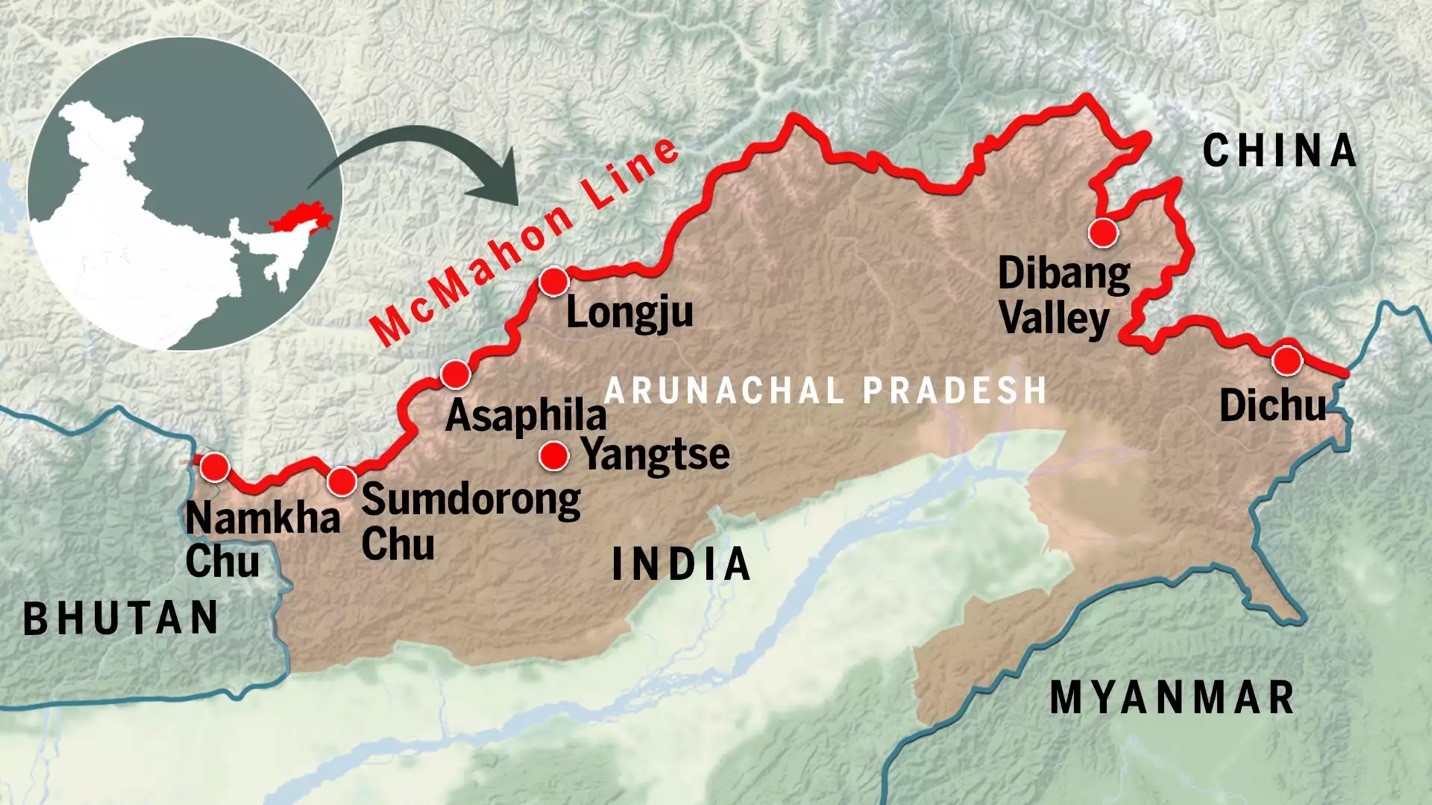
China and India share a long, disputed border, resulting in multiple conflicts since the 1962 Sino-Indian War. Border disputes in regions like Aksai Chin (claimed by India but controlled by China) and Arunachal Pradesh (claimed by China but controlled by India) have led to military standoffs, most recently in the Galwan Valley in 2020, which resulted in casualties on both sides. Both nations are nuclear powers, and the Himalayan border remains one of the world’s most tense military frontiers. China views these areas as strategically vital, especially in the context of India’s growing partnership with the United States and participation in the Quad alliance alongside Japan and Australia.
3. Xinjiang and Tibet: Internal Border Regions with Historical Sovereignty Issues
Internally, China views Xinjiang and Tibet as inseparable parts of the Chinese state. However, these regions have distinct ethnic, cultural, and religious identities that have often clashed with Chinese central authority. In Xinjiang, a region with a significant Uyghur Muslim population, China has been accused of human rights abuses, mass surveillance, and detaining Uyghurs in “re-education” camps as part of its counter-terrorism efforts. Similarly, in Tibet, where anti-Chinese sentiment remains strong, Beijing has worked to suppress Tibetan culture and religion, often under the guise of national security.
Global Aspirations and Strategic Goals
1. Becoming a Global Economic Powerhouse
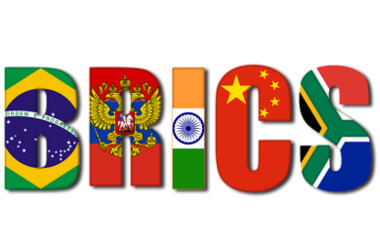
China’s economic aspirations are central to its global strategy. Through the BRI, trade partnerships, and membership in organizations like the Shanghai Cooperation Organization (SCO) and BRICS, China seeks to challenge Western dominance in global finance and trade. China has also established the Asian Infrastructure Investment Bank (AIIB) as an alternative to Western-led institutions like the World Bank and International Monetary Fund (IMF), aiming to shift the balance of economic influence.
2. Shaping Global Governance and Norms
China aspires to reshape international norms to reflect its own values, particularly around issues of sovereignty, non-interference, and authoritarian stability. By influencing institutions like the United Nations and establishing alternatives to Western-dominated organizations, China aims to legitimize its governance model. In recent years, China has emphasized its “community of common destiny” philosophy, which seeks to promote multipolarity and oppose unilateralism, often in response to the perceived dominance of the U.S.-led global order.
3. Military Modernization and Regional Dominance
China has invested heavily in military modernization, focusing on building a “world-class” military by 2049. Its navy, now the largest in the world by ship count, reflects China’s ambitions to protect its interests beyond its borders, especially in the Indo-Pacific. Through naval power, missile development, and technological advancements, China aims to establish itself as a regional, and ultimately global, military power capable of challenging U.S. influence.
4. Expanding Influence in Multilateral Forums and South-South Cooperation
China has pursued alliances and partnerships in the Global South, portraying itself as a champion of developing countries. In regions like Africa and Latin America, China emphasizes its shared identity with other post-colonial nations, contrasting its engagement with the colonial legacies of Western powers. Through organizations like BRICS and the Forum on China-Africa Cooperation (FOCAC), China seeks to position itself as a leader of South-South cooperation, offering an alternative to Western-led development paradigms.
Conclusion
China’s global aspirations reflect a vision of a world in which China is not merely a participant but a leader, shaping economic, political, and military spheres to its advantage. Unlike traditional empires that relied on colonialism, China’s modern strategy uses economic influence, soft power, and strategic alliances to achieve its goals. However, China’s ambitions are met with resistance from neighboring states, competing powers, and Western-led alliances, resulting in a complex geopolitical landscape. As China seeks to expand its influence and assert its sovereignty claims, its relationships with former tributary states, disputed border regions, and economic partners will continue to evolve, shaping a new global balance of power for the 21st century.
 Threedux Today
Leave a comment